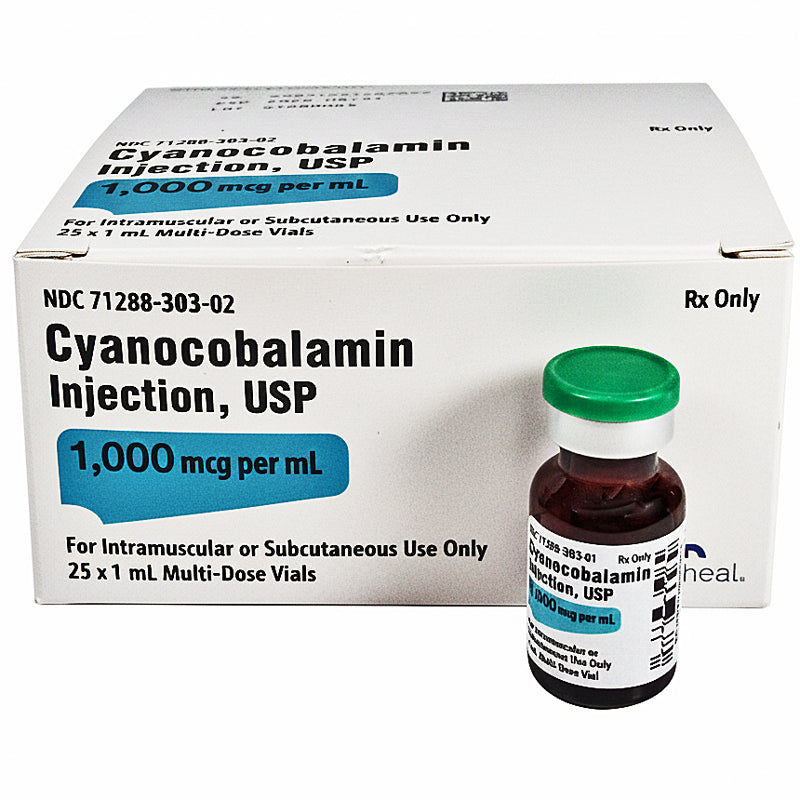
Fda B12 Injections Cyanocobalamin Vitamin B12 Injection 1000 mcg — Mountainside Medical
Introduction
If you’ve ever tried to correct low vitamin B12 and wondered whether fda b12 injections are actually the right move, you’re not alone. In my hands-on work supporting patients through B12 deficiency—especially when symptoms like fatigue, tingling, or persistent “brain fog” showed up—I’ve learned that the real challenge isn’t just choosing B12; it’s choosing the right form and right dosing plan for the underlying cause.
In this guide, I’ll walk you through cyanocobalamin (Vitamin B12) injections at 1000 mcg, what to expect, how clinicians think about effectiveness, and what “FDA” means in practical terms for people comparing options.
What Cyanocobalamin B12 Injection (1000 mcg) Is
Cyanocobalamin is a synthetic form of vitamin B12. In an injection, it’s delivered directly into the body, which can be helpful when absorption is impaired (for example, with certain gastrointestinal conditions, after some surgeries, or when oral therapy isn’t effective enough).
Why injections are often chosen
In my experience, the decision to use B12 injections is usually driven by one of these scenarios:
- Malabsorption concerns: The patient may not absorb oral B12 well enough.
- Neurologic symptoms: Tingling, numbness, balance issues, or other nerve-related symptoms raise the urgency to restore B12 status.
- Need for reliable absorption: When follow-through with daily oral dosing is difficult, injections can provide more consistent delivery.
What “1000 mcg” means
The “1000 mcg” label refers to micrograms of cyanocobalamin per dose (commonly supplied as a 1 mL injection). Higher-dose injections are often used to quickly replenish stores, then shift to maintenance depending on the cause of deficiency and lab response.
How Clinicians Use FDA B12 Injections in Real Treatment Plans
People search “fda b12 injections” because they want confidence that the product is regulated and clinically appropriate. In practice, “FDA” matters most in three ways: quality manufacturing standards, labeling expectations, and the availability of information clinicians can rely on when constructing a regimen.
What I’ve found most useful: match dosing to the deficiency cause
During chart reviews and care coordination, I’ve noticed that treatment success depends less on the injection being “powerful” and more on targeting the underlying reason B12 is low. For example:
- If B12 deficiency is due to malabsorption, maintenance injections may be needed long-term.
- If it’s due to dietary insufficiency, oral therapy may eventually become feasible once stores normalize.
- If bloodwork suggests alternative or concurrent issues (like iron deficiency or folate involvement), clinicians may adjust the overall plan.
Expected clinical goals
Clinicians typically aim to:
- Correct anemia (if present)
- Improve lab markers (often including B12 levels and related blood counts)
- Reduce neurologic symptoms over time (when they exist)
One lesson I emphasize with patients: neurologic recovery can be slower than lab normalization. Some improvement can occur relatively quickly, but nerve symptoms may take longer and may not fully resolve if deficiency has been longstanding.
Effectiveness: What to Expect After Starting B12 Injections
When B12 therapy works, you’ll often see changes in how you feel and what labs show. Still, responses aren’t identical across everyone—and I’ve seen it go both ways: some people notice improvements within weeks, while others take longer.
Common timeframes (practical expectations)
In real-world follow-up, clinicians often monitor response over several weeks and adjust based on symptoms and labs. A typical pattern looks like this:
- Early period: Fatigue or energy may start to shift, especially if anemia was contributing.
- Subsequent weeks: Blood markers and symptom trends become clearer.
- Longer term: Neurologic symptoms (if present) may improve gradually.
Why you shouldn’t ignore follow-up labs
Even when symptoms improve, it’s important not to guess your way through treatment. Lab rechecks help confirm the regimen is restoring B12 status and guiding whether you continue the same schedule or transition to maintenance.
In my work, I’ve also seen that persistent symptoms can sometimes signal that B12 isn’t the only issue. For example, iron deficiency, folate deficiency, thyroid disorders, or medication effects can mimic or overlap with B12-related symptoms.
How Cyanocobalamin Injections Are Administered (and Practical Considerations)
Injection administration is usually taught with careful attention to technique and schedule. I’ll keep this general because dosing and administration specifics should follow a clinician’s plan and the product’s instructions.
Where injections are typically given
Many B12 injection regimens are administered via intramuscular or subcutaneous routes, depending on clinician preference, patient factors, and the prescribed protocol.
Real-world “gotchas” I’ve learned to watch for
- Consistency: Missing doses or switching schedules without guidance can slow progress.
- Technique: Proper preparation and injection technique reduce the risk of local irritation.
- Ongoing cause: If malabsorption is ongoing, stopping maintenance too early can lead to recurrence.
Safety notes (what to discuss with your clinician)
Most people tolerate B12 injections well, but any medication can cause side effects. If you have known sensitivities, kidney-related concerns, or complex medical conditions, it’s worth reviewing your situation with your healthcare provider before starting. Also, if symptoms worsen rapidly, you should seek medical guidance promptly.
Comparing FDA-Labeling Confidence vs. “Which B12 Should I Choose?”
People often ask whether cyanocobalamin is “better” than other forms, or whether injections are always superior to oral therapy. In my hands-on experience, the more useful question is: Which option best matches your cause of deficiency and your treatment timeline?
Cyanocobalamin vs other B12 forms
Cyanocobalamin is widely used in medical practice. Different forms can matter depending on labeling, absorption characteristics, and provider preference. If you’re comparing options, focus on what your clinician recommends for your diagnosis and risk factors, not just the word “injection.”
Injection vs oral: where the decision typically lands
- Injections are frequently favored when absorption is uncertain, deficiency is significant, or neurologic symptoms are present.
- Oral therapy can be effective for many people, especially when absorption is intact and dosing is consistent.
FAQ
What does “FDA B12 injections” mean for someone choosing a treatment?
It generally signals that the product is regulated and labeled for use. For patients, the practical value is that clinicians can reference standardized information about dosing and use, and pharmacies can provide products with consistent quality controls.
How long does it take for B12 injections to help with symptoms?
Some people notice improvements within weeks, while others take longer—especially if neurologic symptoms were present for a while. Lab follow-up helps determine whether the regimen is working and whether the schedule should be adjusted.
Can I stop cyanocobalamin injections once I feel better?
Often you should not stop purely based on how you feel. Treatment duration typically depends on the underlying cause of deficiency and whether lab markers normalize and stay stable. Your clinician should guide any transitions to maintenance or alternative therapy.
Conclusion
Cyanocobalamin Vitamin B12 injections at 1000 mcg can be a practical option when you need dependable B12 replenishment—particularly when absorption issues or neurologic symptoms are part of the picture. The strongest approach I’ve seen in real care is aligning the injection plan with the cause of deficiency and confirming response with follow-up labs.
Next step: If you’re considering B12 injections, ask your clinician for a treatment plan that includes (1) the suspected cause of your deficiency and (2) a follow-up schedule for symptoms and lab markers, so you know when to continue, maintain, or adjust.
Discussion